 Call us: (802) 793-0488
 Available 24/7

A dead or dying tree isn't always easy to spot. Some trees lose their leaves early, while others continue growing even when parts of the trunk or branches are damaged. Knowing what to look for can help you catch problems before a weakened tree becomes a safety concern.
When it comes to dead tree identification, the most common warning signs include brittle branches, peeling bark, unusual leaf growth, and visible decay. Vermont's changing seasons can make these symptoms harder to recognize, especially after a long winter.
Common Signs Your Tree May Be Dying
Trees don't always show obvious signs of trouble right away. Sometimes the damage develops over several seasons before it becomes noticeable.
Here are a few dying tree symptoms worth watching for:
- Dead or brittle branches: Branches that snap easily or have no flexibility may no longer be alive.
- Missing or discolored leaves: A tree with large sections of bare branches during the growing season could be struggling.
- Peeling or missing bark: Large areas of exposed wood can indicate damage or decay.
- Fungal growth: Mushrooms growing around the base or trunk may indicate internal decay.
- Cracks or cavities: Deep cracks, hollow sections, and damaged trunks can affect a tree's structural strength.
One symptom doesn't necessarily mean the entire tree is dead. However, several warning signs appearing together are worth having checked.
How Vermont's Weather Affects Tree Health
Vermont trees deal with plenty of challenges throughout the year. Heavy snow, ice storms, strong winds, and changing temperatures can weaken branches and damage trunks.
Maple, birch, ash, and other common Vermont trees can experience different types of stress depending on their age, location, and overall health.
Trees growing on steep slopes or in areas with poorly draining soil may face additional problems. Saturated ground can affect root health, while repeated freezing and thawing can contribute to existing damage.
Winter damage can also be misleading. A tree that looks unhealthy in early spring may simply be slow to leaf out.
We've covered some of these seasonal concerns in our article on trees most likely to fail during Vermont winters.
Is Your Tree Dead or Just Dormant?
One of the biggest mistakes homeowners make is assuming a tree is dead because it doesn't have leaves.
During Vermont's colder months, deciduous trees naturally enter dormancy. Even in spring, some species take longer to produce new growth.
A simple way to check a small, reachable twig is the scratch test. Gently scratch a thin section of the outer bark with your fingernail. Green, moist tissue underneath generally indicates that part of the branch is still alive.
Brown, dry tissue may indicate the branch has died.
Keep in mind that this test only tells you about the small area being checked. It won't determine the health of the entire tree.
What Should You Do With a Dying Tree?
If you notice signs of decay or significant branch damage, start by looking at what's surrounding the tree.
A weakened tree near your home, driveway, garage, or power lines deserves particular attention.
Avoid climbing the tree or attempting to remove large dead branches yourself. Dead wood can break unexpectedly, even when it appears stable.
Depending on the condition, professional pruning may help remove hazardous branches. In other situations, tree removal may be the safer option.
Frequently Asked Questions
Can a dying tree recover?
Sometimes. Trees affected by temporary stress, drought, or minor damage may recover. Trees with extensive decay or serious root damage are less likely to improve.
How long can a dead tree remain standing?
There's no reliable timeline. Some dead trees remain standing for years, while others fail much sooner. Weather, species, and existing decay all play a role.
Does peeling bark mean my tree is dying?
Not necessarily. Some species naturally shed bark. Large patches of missing bark combined with dead branches or decay are more concerning.
Can winter damage kill a tree?
Yes. Heavy ice, snow, and extreme temperatures can cause serious damage, particularly to trees that are already weakened.
When should I have a tree inspected?
If you notice large dead limbs, significant cracks, fungal growth, or sudden changes in the tree's appearance, it's worth having a professional take a look.
Concerned About a Tree on Your Property?
Not every struggling tree needs to come down, but ignoring signs of serious damage can create bigger problems later.
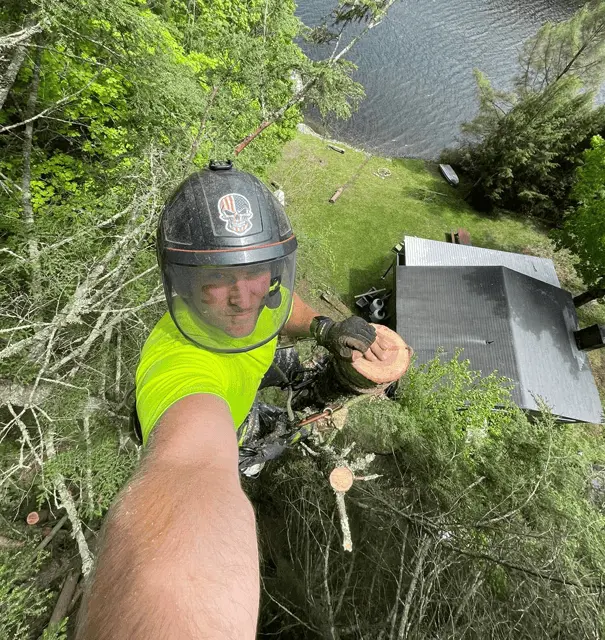
Snapping Turtle Tree Works helps homeowners throughout Central Vermont handle damaged, dying, and hazardous trees.
Contact us today to request a free estimate and find out what your tree needs.